Cover cropsBrassicaConventional + organicBrassicaFall establishmentWinter-killed residue
What the research measured
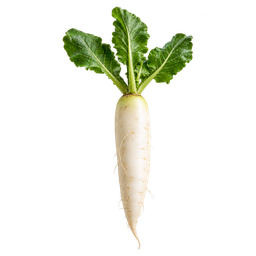
Maryland field research observed rapid fall nitrogen uptake and early spring nitrogen release after radish winterkill. Establishment timing and soil texture affected the outcome.
SARE project LNE03-192 · University of Maryland · Mid-Atlantic field studies, including nitrogen monitoring in 2003–2005.2 independent sources.What it is. A tap-rooted brassica studied for residual nitrogen capture and spring residue effects. This profile covers the species, not a branded seed lot or a forage feeding trial.
Study conditions and limitations
- Early establishment mattered: the researchers emphasized planting before mid-September in their region.
- Rapid spring nitrogen release can precede crop demand, especially on sandy soils. Nitrogen captured in biomass is not a guaranteed fertilizer credit.
- SARE advises against placing brassica cover crops in rotations with brassica vegetables because they share diseases.
- Confirm seed treatment, organic certification, and intended use with the supplier for the specific lot.
Read the sources · 2
- Brassica cover crops for nitrogen retention, pest management and soil health · final report ↗
The project examined nitrogen capture, root channels, weeds, and following crops. Radish released nitrogen early after winterkill; results depended on establishment, soil, and crop timing.
- Brassicas and Mustards · Managing Cover Crops Profitably ↗
Species guidance covers establishment, nutrient cycling, and rotation constraints, including shared diseases with brassica vegetables.
Before you buy, ask
- What seeding rate, date, and termination timing did the cited studies use?
- How does termination timing before my cash crop change the nitrogen and moisture picture?
- Which species or mixture fits my rotation window and equipment?
Record
- Sources checked
- September 26, 2026. Every figure shown is printed on the linked page; unit conversions are noted on the chart.
- Company response
- None yet. Species research · Raphanus sativus can send corrections, additional trials, or a statement; it is published here, labelled, and never edits the research summary. Send a correction →